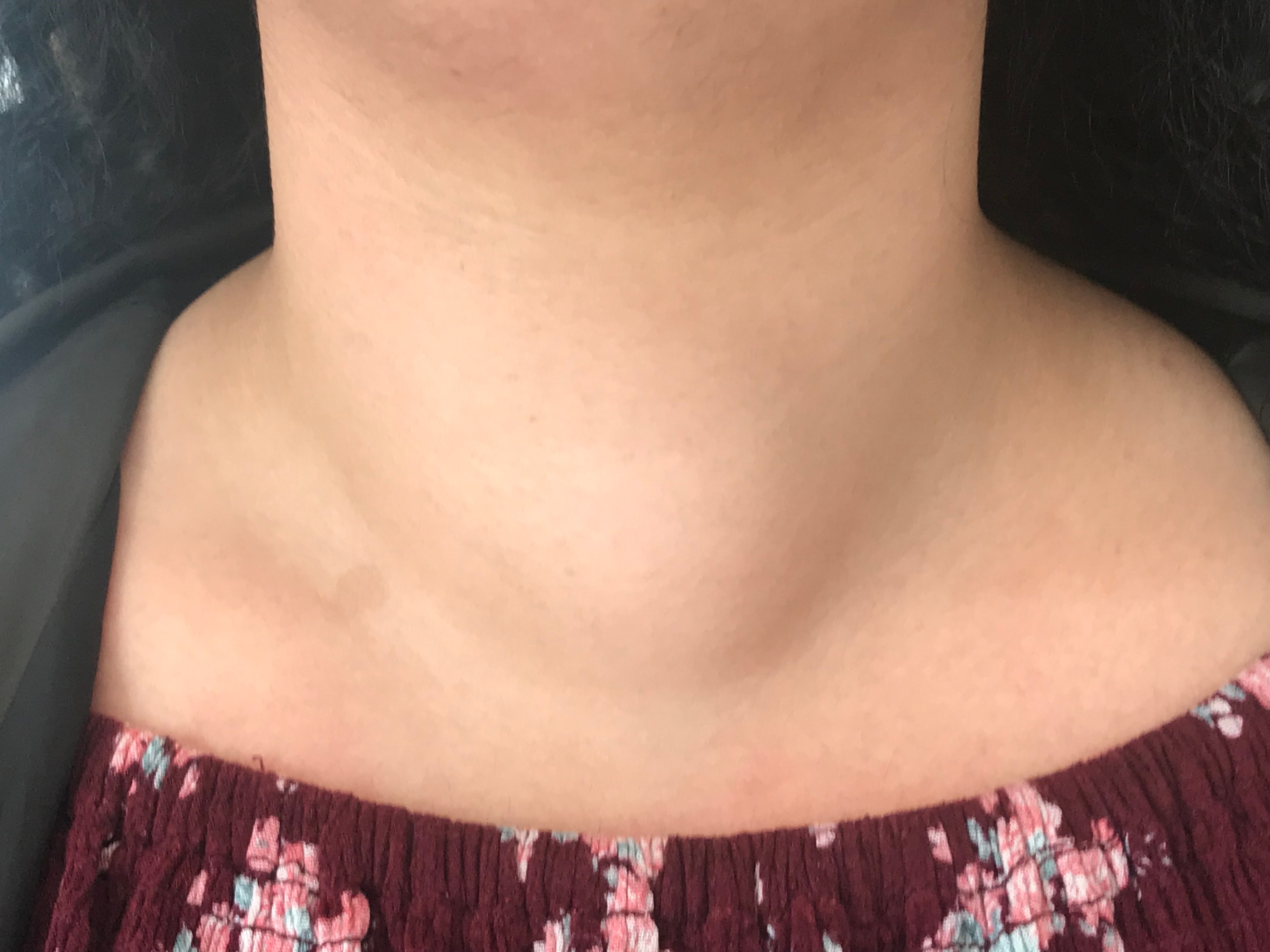
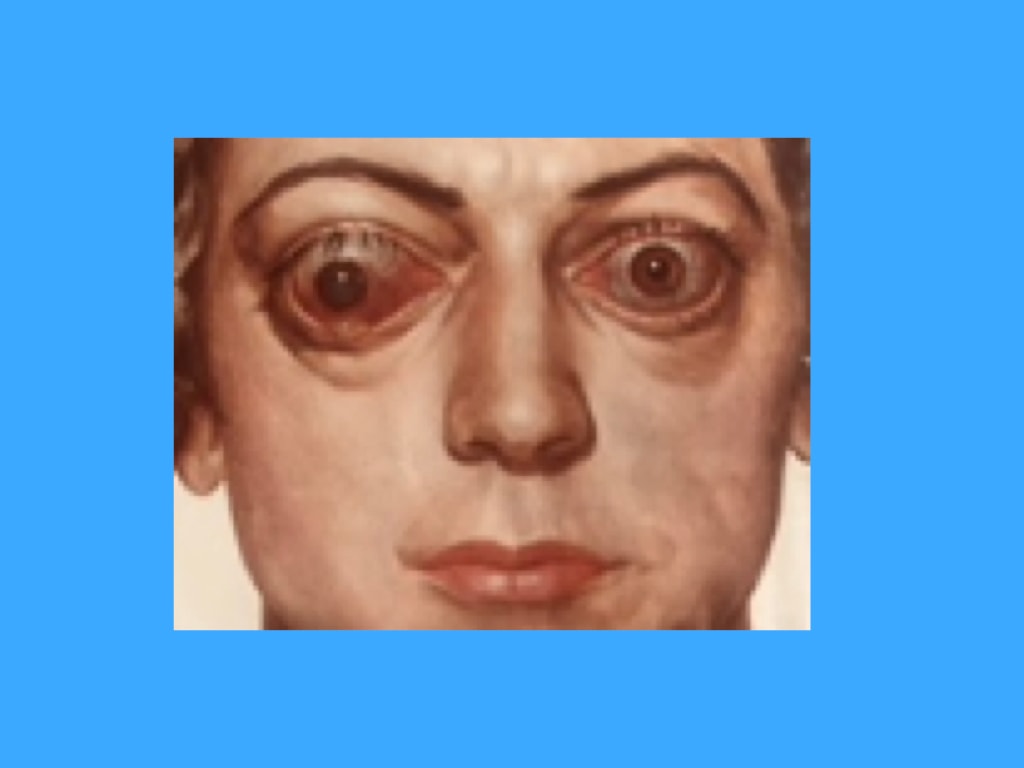
Lecture 4: Goiter and Benign Nodules — What Patients Need to Know
Most thyroid nodules are benign, and most goiters require no surgery. Dr. Guttler explains what goiters and benign nodules are, how they are evaluated, and what modern treatment looks like.

Lecture 4: Goiter and Benign Nodules — What Patients Need to Know
When a patient is told they have a goiter or a thyroid nodule, the first question is almost always the same: "Is it cancer?" In the vast majority of cases, the answer is no. But that answer alone is not enough. Patients deserve to understand what a goiter actually is, what a benign nodule means for their long-term health, how these conditions are monitored, and — when treatment is needed — what the modern options look like.
This lecture addresses all of those questions.
What Is a Goiter?
A goiter is simply an enlargement of the thyroid gland. The word comes from the Latin guttur, meaning throat. A goiter can be:
- Diffuse — the entire gland is uniformly enlarged
- Nodular — the enlargement is caused by one or more nodules within the gland
- Multinodular — multiple nodules throughout an enlarged gland
A goiter does not, by itself, indicate cancer. It does not, by itself, indicate abnormal thyroid function. Many people with goiters have completely normal TSH, T4, and T3 levels. The goiter is a structural finding — a change in the size or shape of the gland — not necessarily a functional one.
What Causes a Goiter?
The causes of goiter are varied:
- Iodine deficiency — historically the most common cause worldwide; less common in the US due to iodized salt, but still relevant in certain populations
- Hashimoto's thyroiditis — autoimmune inflammation can cause diffuse enlargement
- Graves' disease — the autoimmune stimulation of the thyroid in Graves' disease often produces a diffuse goiter
- Multinodular goiter — the most common cause of goiter in iodine-sufficient countries; the thyroid develops multiple nodules over time, often without a clear cause
- Thyroid cancer — a less common cause, but one that must be excluded in the evaluation
What Is a Thyroid Nodule?
A thyroid nodule is a discrete lump or growth within the thyroid gland. Nodules are extraordinarily common — high-resolution ultrasound detects them in up to 65% of the general population. The overwhelming majority are benign.
Nodules can be:
- Solid — composed of thyroid tissue
- Cystic — fluid-filled
- Mixed (partially solid, partially cystic)
Size matters, but not in the way most patients assume. A large nodule is not necessarily more dangerous than a small one. What matters is the ultrasound characteristics — the features that indicate whether a nodule has a low or high risk of malignancy.
The Emotional Weight of "You Have a Nodule"
Being told you have a thyroid nodule triggers fear that is entirely understandable and almost always disproportionate to the actual risk. The word "nodule" sounds clinical and serious. It is attached to the word "thyroid," which many people associate with cancer. The mind races.
Here is what the data actually shows: approximately 90–95% of thyroid nodules are benign. Of the 5–10% that are malignant, the vast majority are papillary thyroid cancers — slow-growing, highly treatable, and associated with excellent long-term survival.
The fear is real. The risk, in most cases, is far smaller than the fear suggests.
How Are Goiters and Nodules Evaluated?
Thyroid Ultrasound
Ultrasound is the essential first step. Modern high-resolution thyroid ultrasound can characterize nodules with remarkable precision — assessing size, composition (solid vs. cystic), echogenicity, margins, shape, calcifications, and vascularity. These features are used to assign a risk category using standardized systems such as TI-RADS (Thyroid Imaging Reporting and Data System) or the ATA guidelines.
Crucially, ultrasound can identify nodules that are virtually certain to be benign — pure cysts and spongiform nodules — and spare those patients an unnecessary biopsy.
Many endocrinologists and thyroidologists perform their own ultrasound examinations in the office, correlating what they feel on physical exam with what they see on imaging. This in-office evaluation often leads to faster, more informed decisions about next steps.
Fine Needle Aspiration Biopsy (FNA)
When ultrasound features suggest a nodule warrants further evaluation, a fine needle aspiration biopsy is performed. A thin needle is inserted into the nodule — usually under ultrasound guidance — to collect cells for analysis by a cytopathologist.
Many thyroid specialists perform their own biopsies and send the slides to a dedicated thyroid cytopathologist — a specialist whose focused expertise in thyroid cell analysis produces more accurate and consistent results than a general pathologist reviewing occasional thyroid specimens.
FNA results fall into several categories:
- Benign — the most common result; no cancer cells found
- Malignant — cancer cells present
- Suspicious — features that could indicate malignancy; molecular testing is now available to clarify
- Indeterminate — inconclusive; may require repeat biopsy or molecular testing
- Non-diagnostic — insufficient cells; repeat biopsy needed
Thyroid Function Tests
TSH, Free T4, and Free T3 assess whether the nodule or goiter is affecting thyroid hormone production. A suppressed TSH in the setting of a nodule raises the possibility of a toxic (autonomous) nodule — one that is producing hormone independently — which requires a different evaluation pathway including a thyroid scan.
What Happens After a Benign Result?
A benign biopsy result is reassuring — but it is not the end of the story. Benign nodules require periodic monitoring because:
- A small percentage of benign biopsies are false negatives (the nodule was actually malignant but the biopsy missed it)
- Nodules can grow over time
- New nodules can develop
The standard recommendation is ultrasound surveillance — typically at 6–12 months after the initial biopsy, then every 1–2 years if the nodule remains stable.
When Is Treatment Needed for a Benign Nodule or Goiter?
Most benign nodules and goiters require no treatment beyond monitoring. Treatment becomes appropriate when:
- Symptoms develop — difficulty swallowing, a sensation of pressure or fullness in the neck, hoarseness, or shortness of breath from a large goiter compressing the trachea or esophagus
- The nodule is growing significantly on serial ultrasound
- The nodule is producing excess hormone (toxic nodule or toxic multinodular goiter)
- Cosmetic concerns — a visibly enlarged thyroid that affects the patient's quality of life
Modern Treatment: Beyond Surgery
For decades, the standard treatment for a symptomatic or growing benign nodule was surgery. That has changed dramatically.
Radiofrequency ablation (RFA) uses heat generated by a high-frequency electrical current to shrink thyroid nodules from the inside out. It is performed under ultrasound guidance, requires no general anesthesia, and is done as an outpatient procedure. RFA can reduce nodule volume by 50–80% and is now widely used in Europe and Asia, with growing adoption in the United States.
Ethanol ablation involves injecting ethanol (alcohol) directly into a cystic or predominantly cystic nodule to destroy the cyst lining and prevent reaccumulation of fluid. It is highly effective for cystic nodules and requires no surgery.
Laser ablation and high-intensity focused ultrasound (HIFU) are additional minimally invasive options available at specialized centers.
These techniques have transformed the management of benign thyroid nodules. A growing benign nodule that would previously have required a surgical procedure — with its attendant risks, recovery time, and potential for hypothyroidism — can now often be treated in an outpatient setting with minimal downtime.
The Patient's Role in Their Own Care
If you have been told you have a goiter or a benign nodule, the most important things you can do are:
- Keep your follow-up appointments. Surveillance ultrasounds are not optional — they are how changes are caught early.
- Report new symptoms promptly. Difficulty swallowing, voice changes, or a rapidly enlarging neck mass warrant immediate evaluation.
- Ask about your options. If your nodule is growing and your physician recommends surgery, ask whether minimally invasive alternatives such as RFA are appropriate for your situation.
- Understand that "benign" means benign. A benign nodule is not a ticking time bomb. It is a structural finding that requires monitoring — not a source of ongoing fear.
Dr. Guttler spent 50 years as a private thyroid medical specialist. He does not treat patients. The information on this site is for educational purposes and does not constitute medical advice. Always consult your physician for diagnosis and treatment.
Explore Topics
Written by
Dr. Guttler
Clinical Thyroidologist with over 50 years of experience treating patients with thyroid cancer, nodules, hypothyroidism, and hyperthyroidism. Dr. Guttler created these patient education lectures to help people understand their thyroid condition and make informed decisions about their care.