Hyperthyroidism: When Your Thyroid Works Too Hard
Most people have heard of an underactive thyroid. But the opposite condition — hyperthyroidism, or an overactive thyroid — is equally important to understand, and it can be just as disruptive to your life.
Where hypothyroidism slows everything down, hyperthyroidism speeds everything up. Your heart races. You feel anxious and jittery. You lose weight without trying. You can't sleep. Your body is running at a pace it was never designed to sustain.
Left untreated, hyperthyroidism can lead to serious complications — including heart problems and bone loss. Here's what you need to know.
What Is Hyperthyroidism?
Hyperthyroidism occurs when the thyroid gland produces too much thyroid hormone — T3, T4, or both. This excess hormone accelerates the body's metabolism and affects virtually every organ system.
It is diagnosed through blood tests showing a low or suppressed TSH (the pituitary gland reduces TSH output when it detects too much thyroid hormone) combined with elevated Free T4 and/or Free T3.
What Causes Hyperthyroidism?
Graves' Disease
The most common cause of hyperthyroidism in the United States is Graves' disease, an autoimmune condition in which the immune system produces antibodies (called TSI — thyroid-stimulating immunoglobulins) that mimic TSH and continuously stimulate the thyroid to produce hormone.
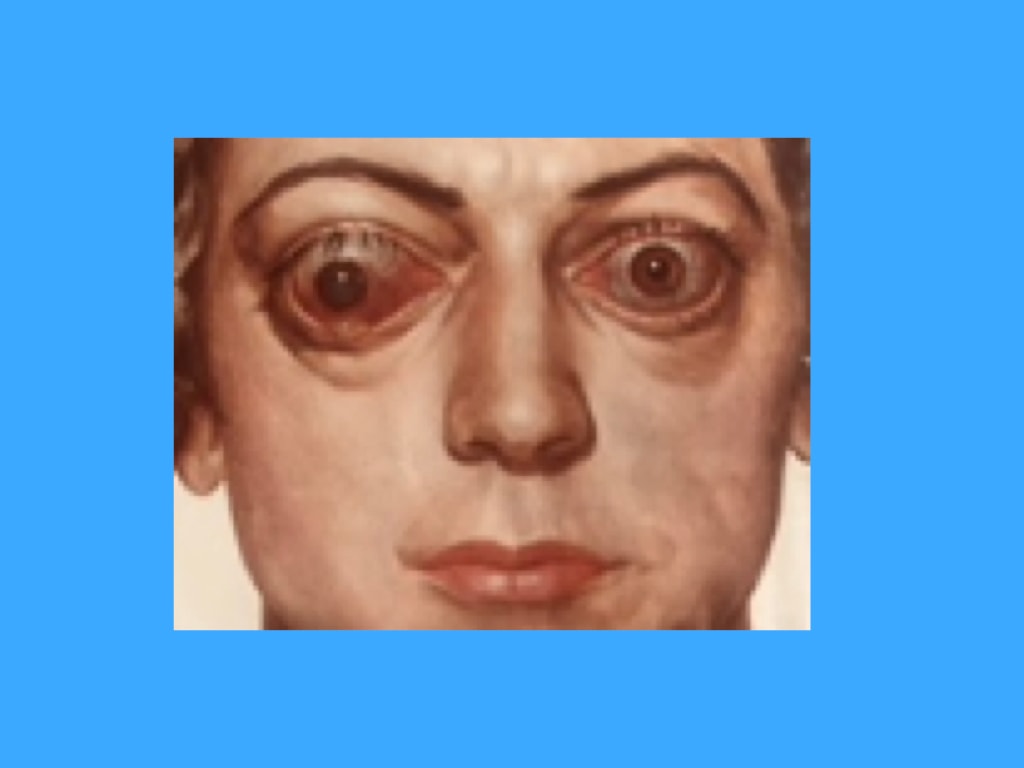
Graves' disease affects women far more often than men and tends to run in families. It is also associated with a distinctive eye condition called Graves' ophthalmopathy (or thyroid eye disease), in which the tissues behind the eyes become inflamed, causing bulging eyes, double vision, and eye discomfort.
Toxic Nodular Goiter
One or more thyroid nodules can become "autonomous" — meaning they produce thyroid hormone independently, without waiting for TSH signals. A single autonomous nodule is called a toxic adenoma; multiple nodules producing excess hormone constitute a toxic multinodular goiter.
This is more common in older adults and in areas of the world with iodine deficiency.
Thyroiditis
Inflammation of the thyroid gland (thyroiditis) can cause a temporary release of stored thyroid hormone into the bloodstream, producing a transient hyperthyroid state. This can occur after viral illness (subacute thyroiditis), after childbirth (postpartum thyroiditis), or as a side effect of certain medications.
Thyroiditis-related hyperthyroidism is usually temporary and may be followed by a period of hypothyroidism before the thyroid recovers.
Other Causes
- Excess iodine — from medications (amiodarone is a common culprit) or iodine-containing contrast dyes
- Too much thyroid hormone medication — overtreatment of hypothyroidism
- TSH-secreting pituitary tumor — rare
Recognizing the Symptoms
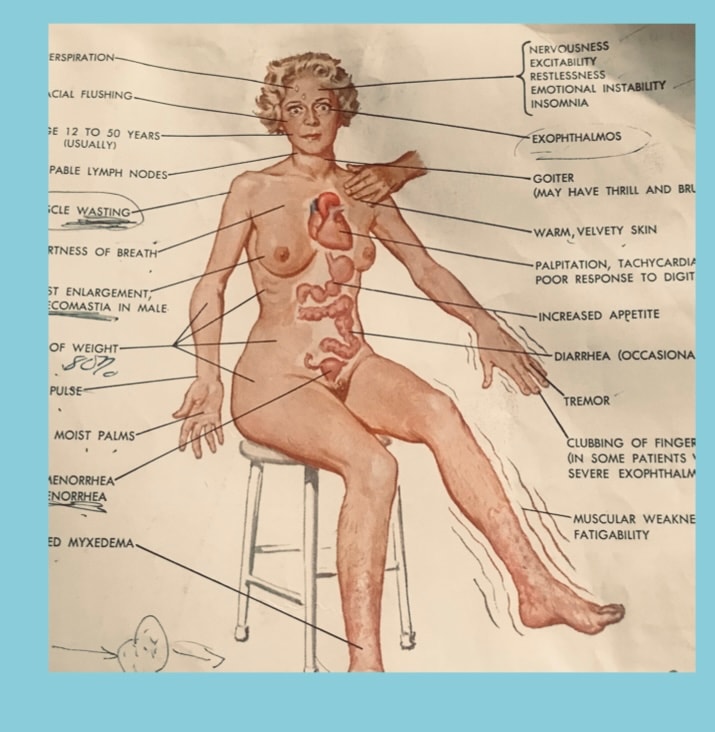
Hyperthyroidism symptoms reflect a body in overdrive:
- Rapid or irregular heartbeat (palpitations) — one of the most common and alarming symptoms
- Unexplained weight loss despite a normal or increased appetite
- Increased appetite — you may feel hungry all the time
- Anxiety, nervousness, and irritability
- Tremor — fine shaking of the hands and fingers
- Excessive sweating and heat intolerance
- Frequent bowel movements or diarrhea
- Difficulty sleeping (insomnia)
- Fatigue and muscle weakness — particularly in the upper arms and thighs
- Thinning hair and skin changes
- Lighter or absent menstrual periods in women
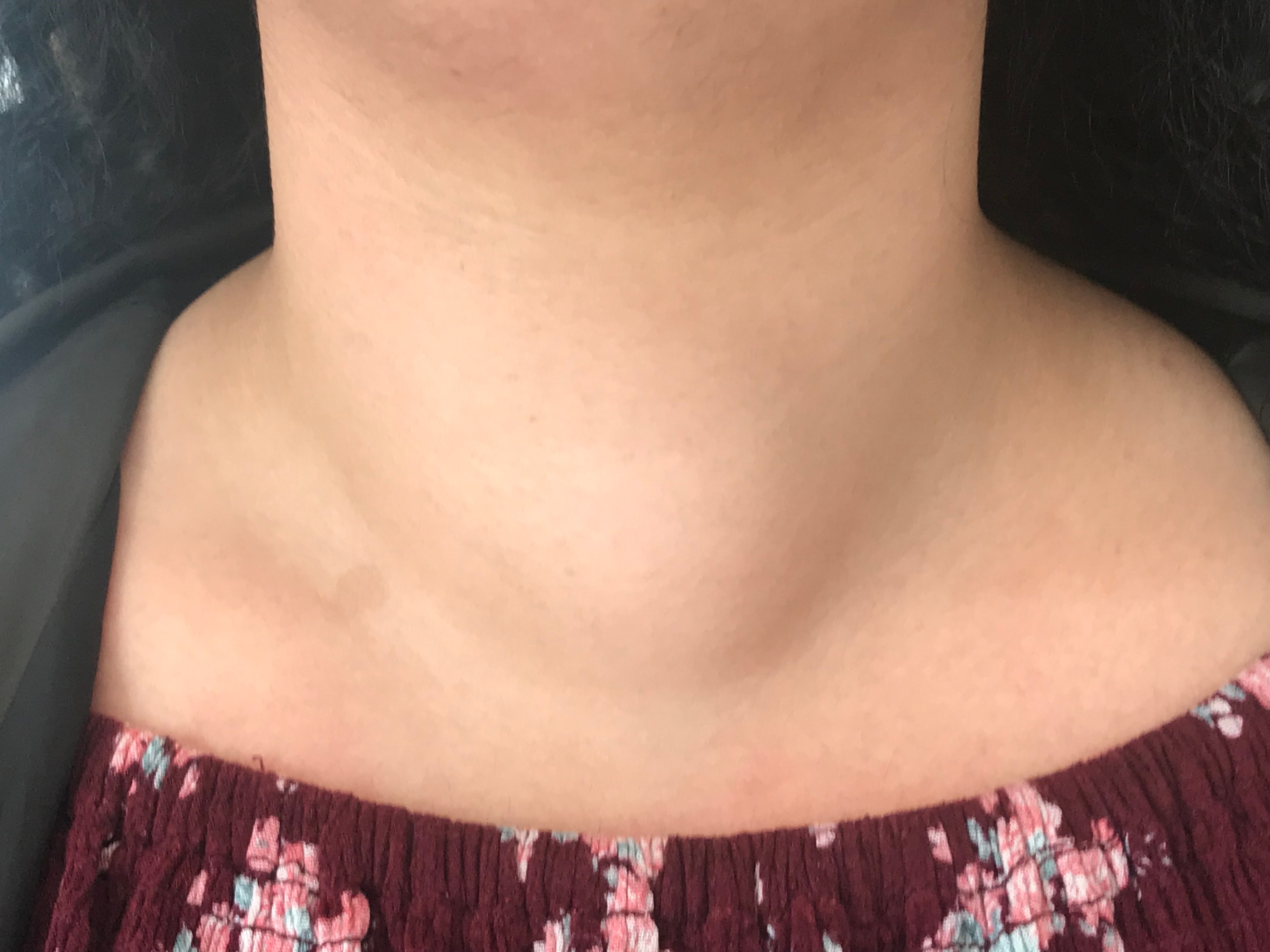
- Enlarged thyroid (goiter) — visible swelling at the base of the neck
- Bulging eyes — specifically in Graves' disease
In older adults, hyperthyroidism may present differently — with fewer of the classic "revved up" symptoms and more subtle findings like unexplained weight loss, heart rhythm problems (particularly atrial fibrillation), or depression. This is sometimes called apathetic hyperthyroidism.
Complications of Untreated Hyperthyroidism
Hyperthyroidism is not a condition to ignore. Long-term excess thyroid hormone can cause:
- Atrial fibrillation — an irregular heart rhythm that significantly increases stroke risk
- Heart failure — from the sustained strain on the cardiovascular system
- Osteoporosis — excess thyroid hormone accelerates bone loss, increasing fracture risk
- Thyroid storm — a rare but life-threatening complication in which thyroid hormone levels surge dramatically, causing extreme fever, rapid heart rate, and altered consciousness. This is a medical emergency.
Treatment Options
Unlike hypothyroidism, which has essentially one treatment (thyroid hormone replacement), hyperthyroidism has three main treatment approaches. The right choice depends on the cause, severity, patient age, and individual circumstances.
1. Antithyroid Medications
Methimazole (Tapazole) and propylthiouracil (PTU) block the thyroid's ability to produce hormone. They are often used as the first line of treatment, particularly in younger patients and those with Graves' disease.
Antithyroid medications can induce remission in Graves' disease — meaning the condition goes into a sustained quiet phase — in about 30–50% of patients after 12–18 months of treatment. For those who don't achieve remission, more definitive treatment is needed.
Side effects are generally mild but can include rash, joint pain, and (rarely) a serious drop in white blood cells (agranulocytosis). Patients should report any fever or sore throat immediately while on these medications.
2. Radioactive Iodine (RAI)
Radioactive iodine (I-131) is the most commonly used definitive treatment for hyperthyroidism in the United States. The thyroid absorbs the radioactive iodine and is gradually destroyed over several weeks to months, reducing hormone production.
RAI is highly effective and safe. The main consequence is that most patients eventually become hypothyroid and require lifelong thyroid hormone replacement — which is generally considered an acceptable trade-off for resolving hyperthyroidism.
RAI is not used in pregnancy or in patients with significant Graves' eye disease, as it can worsen eye involvement.
3. Surgery (Thyroidectomy)
Surgical removal of the thyroid is the fastest and most definitive treatment. It is preferred when:
- The thyroid is very large and causing compressive symptoms
- There is concern about thyroid cancer
- The patient is pregnant or planning pregnancy soon
- RAI is contraindicated
- The patient prefers surgery
As with RAI, surgery typically results in hypothyroidism requiring lifelong hormone replacement.
Managing Symptoms While Awaiting Treatment
Beta-blockers (such as propranolol or atenolol) are often prescribed to control the cardiovascular symptoms of hyperthyroidism — rapid heart rate, palpitations, and tremor — while awaiting the effects of antithyroid medication or RAI. They don't treat the underlying thyroid problem but can significantly improve quality of life in the short term.
Living With Hyperthyroidism
The good news is that hyperthyroidism is highly treatable. Most patients achieve good control of their symptoms and go on to live normal, healthy lives — whether through medication, RAI, or surgery.
The key is not to delay evaluation. If you recognize yourself in the symptoms above, see your doctor and ask for a thyroid function test. Early treatment prevents complications and gets you back to feeling like yourself sooner.
Dr. Guttler spent 50 years as a private thyroid medical specialist. The information on this site is for educational purposes and does not constitute medical advice. Always consult your physician for diagnosis and treatment.
Explore Topics
Written by
Dr. Guttler
Clinical Thyroidologist with over 50 years of experience treating patients with thyroid cancer, nodules, hypothyroidism, and hyperthyroidism. Dr. Guttler created these patient education lectures to help people understand their thyroid condition and make informed decisions about their care.