
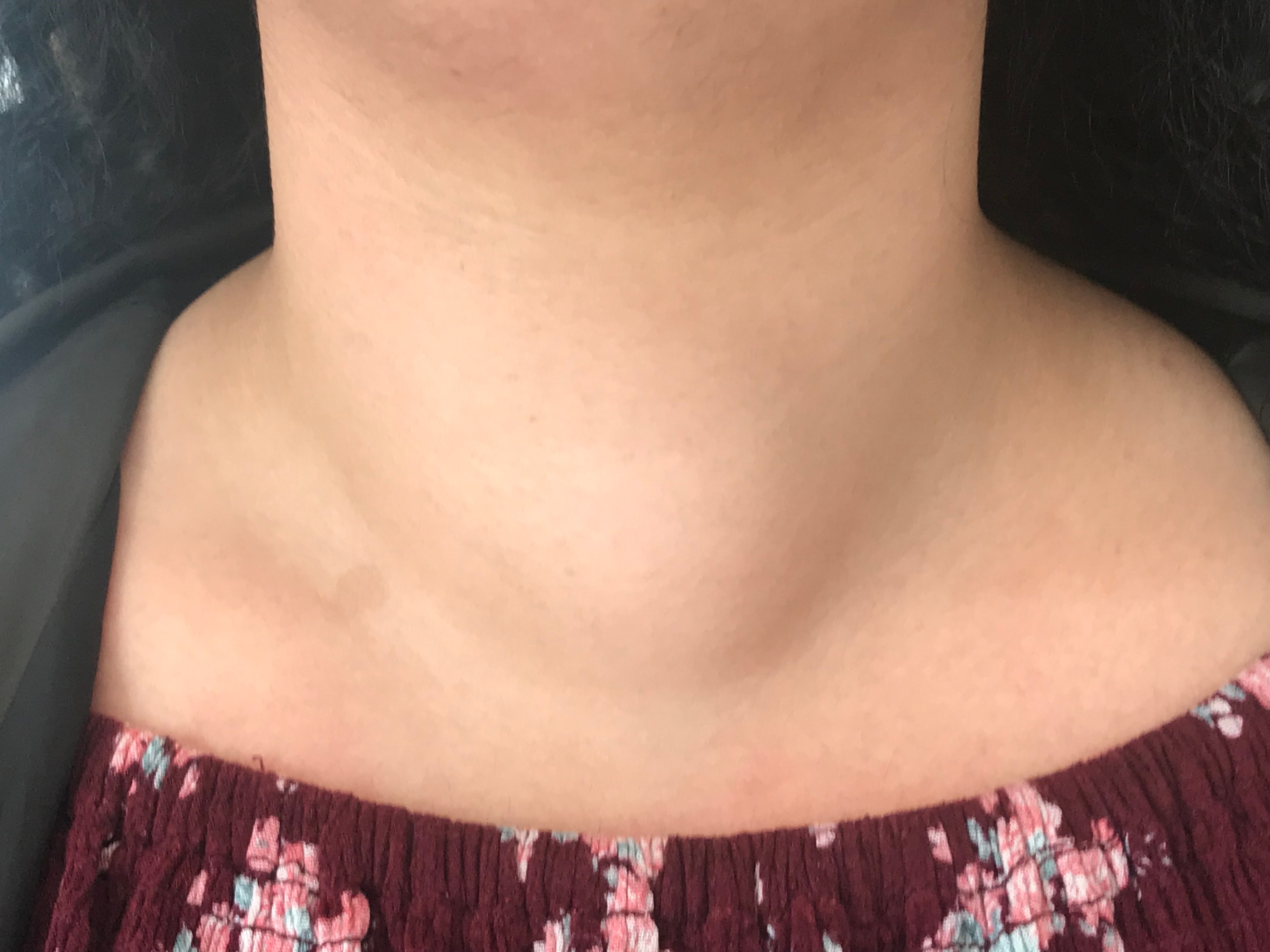
Thyroid Nodules: What You Need to Know
Finding out you have a thyroid nodule can send your mind racing to the worst-case scenario. The word "nodule" sounds alarming, and when it's attached to the word "thyroid," many people immediately think of cancer.
Here's the most important thing I want you to know: the vast majority of thyroid nodules are completely benign. Only about 5–10% of nodules are cancerous, and even among those, most thyroid cancers are highly treatable.
Let's walk through what thyroid nodules actually are, how they're evaluated, and what you should do if you've been told you have one.
What Is a Thyroid Nodule?
A thyroid nodule is a lump or growth within the thyroid gland. They are extremely common — studies using ultrasound find nodules in up to 65% of the general population. Most are never felt, never cause symptoms, and are discovered incidentally during imaging done for another reason (a neck CT scan, a carotid artery ultrasound, or an MRI of the spine, for example).
Nodules can be:
- Solid — made up of thyroid tissue
- Cystic — fluid-filled
- Mixed — part solid, part fluid
Size ranges from a few millimeters to several centimeters. Larger nodules are more likely to be noticed — either by the patient or during a physical exam.
What Causes Thyroid Nodules?
In most cases, the cause is unknown. Known contributing factors include:
- Iodine deficiency — less common in the US due to iodized salt
- Hashimoto's thyroiditis — chronic autoimmune inflammation can produce nodular changes
- Thyroid cysts — overgrowth of normal thyroid tissue
- Multinodular goiter — multiple nodules in an enlarged thyroid
- Thyroid adenoma — a benign overgrowth of a single thyroid cell type
- Thyroid cancer — the minority of cases
How Are Nodules Discovered?
Most nodules are found in one of three ways:
- Incidentally — during imaging of the neck or chest for another reason
- Physical exam — your doctor feels a lump during a routine checkup
- Self-discovery — you notice a lump or fullness in your neck
If you feel something in your neck, don't panic — but do get it evaluated. A lump in the thyroid area warrants a proper workup.
The Evaluation Process
Once a nodule is found, the standard evaluation involves two key steps.
Step 1: Modern Thyroid Ultrasound

Modern ultrasound is the gold standard for evaluating thyroid nodules — and its capabilities go far beyond simply measuring a lump. Today's high-resolution ultrasound can actually determine that a nodule is not cancer without a biopsy in certain cases. Specifically:
- A pure cyst (completely fluid-filled with no solid component) is virtually never cancerous and does not require a biopsy.
- A spongiform nodule (a nodule made up of tiny fluid-filled spaces, like a sponge) carries an extremely low risk of malignancy and can also be safely monitored without biopsy.
Beyond these reassuring findings, ultrasound tells your doctor:
- The exact size and number of nodules
- Whether a nodule is solid, cystic, or mixed
- The characteristics of the nodule (shape, borders, echogenicity, calcifications)
- Whether lymph nodes in the neck look suspicious
It is also worth knowing that many endocrinologists and thyroidologists perform their own ultrasound examination before a radiologist. This in-office ultrasound allows the specialist to directly correlate what they feel on physical exam with what they see on imaging — often leading to a faster, more informed decision about next steps.
Radiologists use standardized reporting systems (like TI-RADS) to classify nodules by their risk of malignancy based on ultrasound features. This guides the decision about whether a biopsy is truly needed — and in many cases, modern ultrasound spares patients an unnecessary procedure.
Step 2: Fine Needle Aspiration Biopsy (FNA)
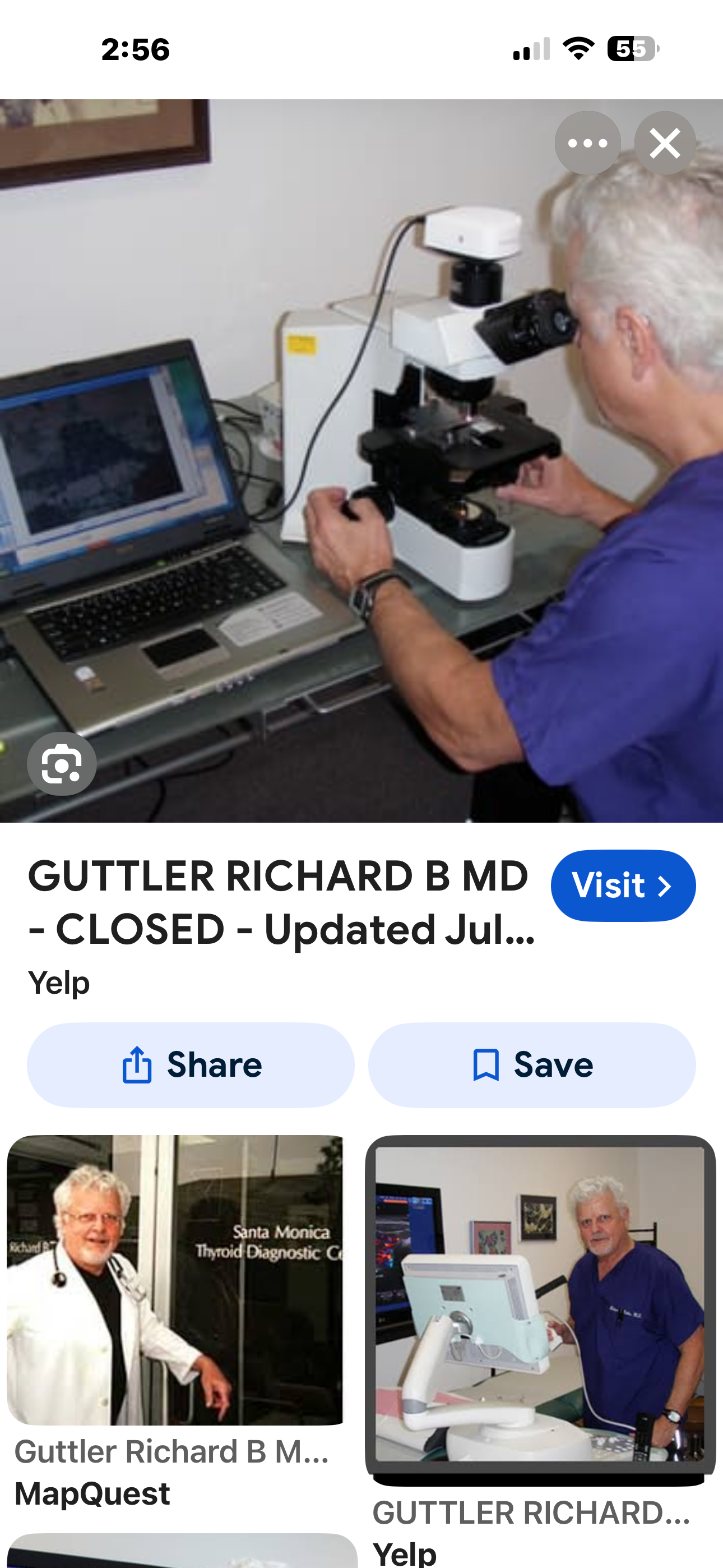
If a nodule has suspicious features or is large enough to warrant further evaluation, your doctor will recommend a fine needle aspiration (FNA) biopsy. This is a simple outpatient procedure in which a thin needle is inserted into the nodule — usually under ultrasound guidance — to collect a small sample of cells for analysis. Many endocrinologists and thyroidologists perform their own biopsies and send the slides to a dedicated thyroid cytopathologist they work with regularly — a specialist whose focused expertise in thyroid cell analysis leads to more accurate and consistent results.
The results fall into several categories:
- Benign — no cancer cells found; routine monitoring recommended. Many benign nodules that show growth were in the past sent to surgery. Today, minimally invasive and non-invasive methods are available to treat growing benign nodules without an operation. Radiofrequency ablation, ethanol ablation, and other techniques are now used to shrink or eliminate nodules and prevent unnecessary surgery.
- Malignant — cancer cells present; surgery recommended. If the cancerous nodule is small, it may be treated with radiofrequency ablation (RFA) without the need for surgery.
- Suspicious — features that could be cancerous; surgery often recommended. This is not an indication for surgery in 2026. Molecular marker testing can be performed on the biopsy slides or on material collected at the time of biopsy and preserved for possible later use — this testing can help clarify whether a suspicious nodule is truly malignant before any surgical decision is made.
- Indeterminate — inconclusive; may require repeat biopsy or molecular testing
- Non-diagnostic — insufficient cells collected; repeat biopsy needed
Most biopsies come back benign. When they do, the standard recommendation is periodic ultrasound monitoring — typically every 1–2 years — to make sure the nodule isn't growing significantly.
When Is Treatment Needed?
Benign nodules generally don't require treatment unless they:
- Are large enough to cause symptoms (difficulty swallowing, a sensation of pressure in the neck, hoarseness)
- Are producing excess thyroid hormone (a "hot" or toxic nodule)
- Are growing significantly on follow-up imaging
Cancerous or suspicious nodules are typically treated with surgery — either removal of the affected lobe (lobectomy) or the entire thyroid (total thyroidectomy), depending on the size, type, and extent of the cancer.
Alternatives to Surgery: The RFA Road Map
Thyroid surgery is not an emergency — even for thyroid cancer. You have time to explore your options, seek outside opinions, and make an informed decision. Many patients who are told they need surgery are candidates for minimally invasive alternatives that preserve the thyroid and avoid the operating room entirely.
Thyroid Radiofrequency Ablation (RFA)
Radiofrequency ablation is a 20–30 minute office procedure that uses heat energy delivered through a thin needle to shrink or eliminate thyroid nodules — including selected small cancers — without surgery. Ethanol (PEI) ablation is another non-surgical option used for cysts and certain nodules.
Dr. Guttler's RFA Road Map to Success:
- Do not settle for the surgeon's initial recommendation — seek outside opinions first
- Thyroid surgery is not an emergency, even for thyroid cancer; you have time to explore options
- Research alternative therapies including ethanol PEI and RFA on your own
- Read about the success of RFA and ethanol ablation PEI for cysts, nodules, and selected cancers
- Find an interventional thyroidologist who specializes in non-surgical treatment
- Send your records — including ultrasounds and biopsy results — prior to any consultation
- Set up a consultation to determine whether thyroid RFA is right for you
- If you are a candidate, you will need blood tests, including a clotting screen
- Your doctor will review your history for serious illnesses, allergies, metal implants, and pacemaker status
- A date is set for the 20–30 minute office procedure
RFA has an excellent track record for shrinking benign nodules, eliminating thyroid cysts, and treating small papillary thyroid cancers in patients who are not surgical candidates or who prefer to avoid an operation. It is now widely available in the United States and internationally.

Dr. Guttler's personal account of bringing thyroid RFA to the United States — the father of modern thyroid radiofrequency ablation in the USA since 2017.

Dr. Guttler performing thyroid ablation with ethanol and radiofrequency ablation under ultrasound guidance. Hundreds of RFA procedures were performed in his office under ultrasound guidance.
The bottom line: Before agreeing to thyroid surgery, ask your doctor whether RFA or another minimally invasive option is appropriate for your situation. A second opinion from an interventional thyroidologist costs nothing compared to the lifelong consequences of an unnecessary thyroidectomy.
The Emotional Weight of a Nodule Diagnosis
Even when a nodule turns out to be benign, the period between discovery and diagnosis can be deeply stressful. You're waiting for biopsy results, imagining worst-case scenarios, and trying to make sense of a medical system that can feel impersonal and rushed.
This anxiety is real and valid. It deserves to be acknowledged — not dismissed with "it's probably nothing."
If you're in that waiting period right now, know that you are not alone. Most people who go through this process come out the other side with a benign result and a clear plan. And if the result is not benign, thyroid cancer — particularly papillary thyroid cancer, the most common type — has an excellent prognosis when caught and treated appropriately.
Questions to Ask Your Doctor
If you've been told you have a thyroid nodule, here are important questions to bring to your next appointment:
- What are the characteristics of my nodule on ultrasound?
- Does it need a biopsy? Why or why not?
- How often should it be monitored?
- Are there any symptoms I should watch for?
- What would change the management plan?
You have every right to understand what's happening in your own body. Ask until you do.
Dr. Guttler spent 50 years as a private thyroid medical specialist. The information on this site is for educational purposes and does not constitute medical advice. Always consult your physician for diagnosis and treatment.
Explore Topics
Written by
Dr. Guttler
Clinical Thyroidologist with over 50 years of experience treating patients with thyroid cancer, nodules, hypothyroidism, and hyperthyroidism. Dr. Guttler created these patient education lectures to help people understand their thyroid condition and make informed decisions about their care.
