
Still Not Well on Thyroid Medication? A 2024 Dutch Survey Explains Why
A major 2024 survey in Clinical and Translational Endocrinology finds that many hypothyroid patients on thyroid replacement therapy continue to experience significant symptoms, impaired daily functioning, and reduced quality of life — even when their TSH is 'normal.' Here is what the research shows and what you can do about it.
Still Not Well on Thyroid Medication? A 2024 Dutch Survey Explains Why
Reference: Ellen Molewijk, Eric Fliers, Koen Dreijerink, Ad van Dooren, Rob Heerdink. "Quality of life, daily functioning, and symptoms in hypothyroid patients on thyroid replacement therapy: A Dutch survey." Clinical and Translational Endocrinology, February 2, 2024; 35:100330. doi: 10.1016/j.jcte.2024.100330.
One of the most common and most frustrating conversations in thyroid medicine goes like this: a patient comes in feeling exhausted, foggy, cold, and depressed. Their TSH is checked. It comes back normal. They are told their thyroid is "fine" and sent home.
This 2024 Dutch survey in Clinical and Translational Endocrinology by Molewijk and colleagues puts hard data behind what these patients have been saying for years: a normal TSH does not mean a patient is well. Significant proportions of hypothyroid patients on thyroid replacement therapy continue to experience symptoms, impaired daily functioning, and reduced quality of life — despite being biochemically "treated."
What the Study Found
The Dutch survey assessed quality of life, daily functioning, and symptom burden in a large cohort of hypothyroid patients currently receiving thyroid replacement therapy — the majority on levothyroxine (T4 monotherapy), the standard of care in most countries.
The key findings:
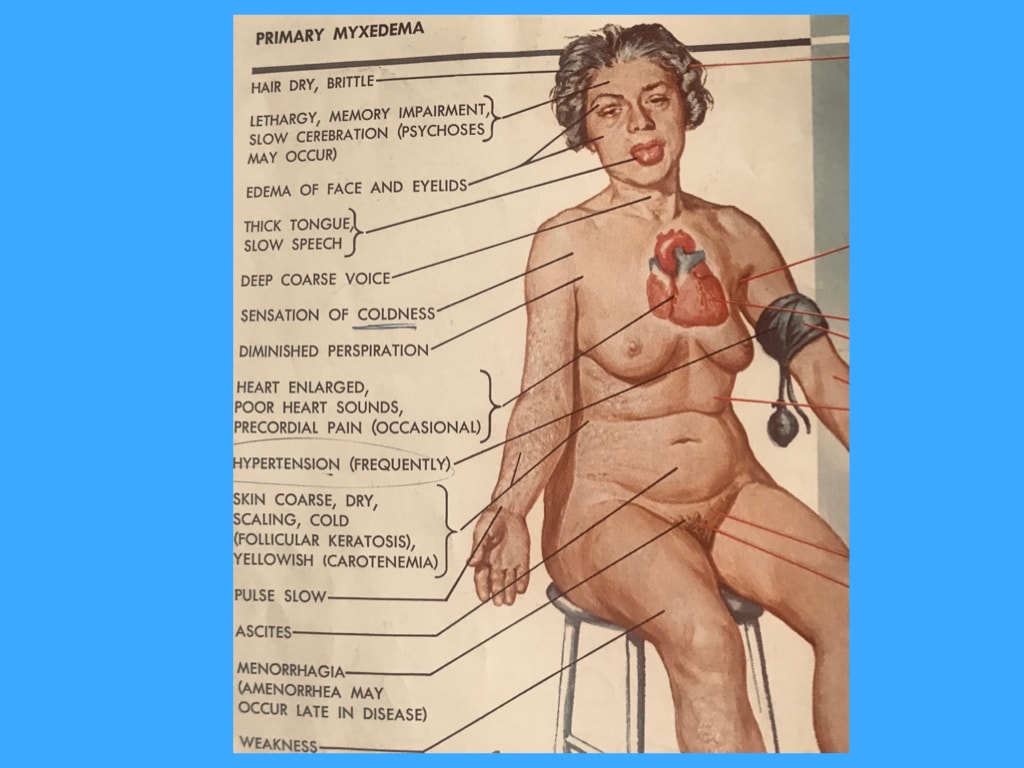
Persistent symptoms are the rule, not the exception. A substantial proportion of patients on replacement therapy continued to report fatigue, cognitive difficulties (brain fog, memory problems, difficulty concentrating), cold intolerance, weight gain, depressed mood, and muscle aches — the classic symptoms of hypothyroidism. These were not rare complaints from outliers. They were common, widespread, and clinically significant.
Quality of life is meaningfully reduced compared with the general population. Patients on thyroid replacement therapy scored lower on validated quality-of-life measures than age- and sex-matched controls without thyroid disease. This gap persisted even in patients whose TSH was within the normal reference range.
Daily functioning is impaired. Work productivity, social participation, physical activity, and cognitive performance were all affected. Many patients described adapting their lives around their symptoms — reducing work hours, withdrawing from social activities, and managing their energy as a limited resource.
Patient satisfaction with treatment is low. A significant proportion of patients reported dissatisfaction with their current treatment, feeling that their symptoms were not adequately addressed and that their concerns were not taken seriously by their physicians.
Why Does This Happen? The T4-Only Problem
The most important biological explanation for persistent symptoms on levothyroxine is one that the medical establishment has been slow to accept: T4 monotherapy does not replicate normal thyroid physiology for every patient.
Here is why:
The healthy thyroid gland secretes both T4 (thyroxine) and T3 (triiodothyronine). T3 is the biologically active form — it is T3 that enters cells and drives metabolism, energy production, cognitive function, and mood. T4 is a prohormone that must be converted to T3 in peripheral tissues by enzymes called deiodinases.
When a patient takes levothyroxine (T4 only), they are dependent entirely on peripheral conversion to generate T3. For many patients, this conversion is adequate. For others — particularly those with genetic variants in deiodinase enzymes, or those who have had their thyroid removed entirely — peripheral conversion is insufficient to maintain normal T3 levels, even when TSH is normal.
The result: a patient with a normal TSH and a normal T4 level who has low-normal or below-normal T3 — and who feels every symptom of hypothyroidism despite being told their labs are fine.
The TSH Problem: Why "Normal" Is Not Enough
The TSH reference range used in most laboratories (roughly 0.4–4.0 mIU/L) was derived from population studies that included people with undiagnosed thyroid disease. The upper end of the range is almost certainly too high for many patients.
More importantly, TSH reflects pituitary function — not tissue-level thyroid hormone availability. A patient can have a normal TSH and still have inadequate T3 delivery to the brain, muscles, and other tissues. TSH is a useful screening tool. It is not a complete picture of thyroid hormone status.
The Molewijk et al. survey reinforces what many thyroid specialists have observed clinically: treating the TSH number rather than the patient is inadequate medicine.
What This Means for Your Care
If you are on levothyroxine and still feel unwell despite a normal TSH, you are not imagining it. The research supports your experience. Here is what I recommend:
1. Ask for a complete thyroid panel — not just TSH. Request free T4 and free T3 in addition to TSH. If your free T3 is in the lower portion of the reference range while your TSH is normal, this may explain your persistent symptoms. Low-normal T3 in a symptomatic patient is a clinical finding that warrants attention.
2. Discuss your optimal TSH target. The "normal" TSH range is wide. Many patients feel best with a TSH in the lower half of the reference range — around 1.0–2.0 mIU/L. If your TSH is 3.5 and you feel terrible, a modest dose adjustment to bring TSH to 1.5 may make a significant difference. This is a conversation worth having with your physician.
3. Ask about combination T4/T3 therapy. For patients who continue to have significant symptoms on T4 monotherapy despite optimal dosing, combination therapy with levothyroxine plus liothyronine (synthetic T3) or desiccated thyroid extract (which contains both T4 and T3) is a legitimate option supported by clinical evidence. It is not appropriate for every patient, but it is appropriate for some — and it should be on the table for patients who are not responding to T4 alone.
4. Optimize the basics that affect thyroid hormone absorption and conversion.
- Take levothyroxine on an empty stomach, 30–60 minutes before food or coffee
- Avoid taking it with calcium, iron, or antacids, which impair absorption
- Ensure adequate selenium and zinc intake — both are required for T4-to-T3 conversion
- Address iron deficiency, which impairs thyroid hormone metabolism
5. Do not accept dismissal. If your physician tells you your labs are normal and your symptoms are not thyroid-related without further investigation, seek a second opinion from a thyroid specialist. The Molewijk et al. data shows that your experience is common, documented, and deserving of a thorough clinical response.
A Note on the Dutch Survey's Significance
What makes this study particularly valuable is its scale and its patient-centered design. Rather than measuring only biochemical markers, the researchers asked patients directly about their experience — their quality of life, their daily functioning, their symptoms, and their satisfaction with treatment.
This is the kind of research that validates what patients have been reporting for decades. It is also the kind of research that should change how physicians approach the follow-up of hypothyroid patients on replacement therapy.
A normal TSH is a starting point. It is not the finish line.
My Perspective After 50 Years
I have been treating hypothyroid patients for over 50 years. The most common source of ongoing suffering I see in this population is not undertreated hypothyroidism in the traditional sense — it is undertreated symptoms in patients who are biochemically "normal" by standard measures.
The Molewijk et al. survey gives us the data to have a different conversation with these patients: one that starts with their experience, not their lab values, and that takes seriously the possibility that standard T4 monotherapy is not adequate for every individual.
Every hypothyroid patient deserves a physician who listens to how they feel — not just what their TSH says.
Dr. Richard Guttler is a thyroid specialist with over 50 years of clinical experience in Santa Monica, California. He is ranked among the top thyroid specialists in the United States by the American Thyroid Association. The information in this post is for educational purposes only and does not constitute personal medical advice.
Explore Topics
Written by
Dr. Guttler
Clinical Thyroidologist with over 50 years of experience treating patients with thyroid cancer, nodules, hypothyroidism, and hyperthyroidism. Dr. Guttler created these patient education lectures to help people understand their thyroid condition and make informed decisions about their care.

